Facade Repair Pricing in South Coast Explained: Comprehensive Cost Estimates and Service Insights

Accurate understanding of facade repair pricing on the South Coast is essential for property owners and managers of residential and commercial assets. Facade repairs preserve structural integrity, appearance, and regulatory compliance. This article clarifies the cost elements that determine pricing. materials, labour, permits. and outlines typical maintenance expenses to support informed decision-making.
Beyond initial budgeting, a clear picture of expected costs helps owners prioritise works, communicate with insurers and strata committees, and reduce the risk of escalating defects. Early engagement with experienced remedial contractors and a documented inspection record can both reduce uncertainty in quotes and speed approvals for necessary works.
Cost Estimates
Reliable cost estimates are fundamental to effective budget planning. Key expense categories include labour, materials, and project scope. Minor repairs commonly cost a few thousand dollars; extensive reconstruction projects can reach tens of thousands.
When commissioning an estimate, request a breakdown that separates labour, consumables and specialist fees so you can compare like for like. Inspections and condition reports may be quoted separately; these reports can reveal hidden costs such as latent corrosion, substrate remediation or the need for bespoke flashings that affect the final price.
Breakdown of Cost Components
- Labour Costs: Skilled labour is often one of the most significant factors in facade repair costs. Rates vary based on complexity and required expertise. Employing highly skilled workers may raise initial costs but ensures higher quality and durability.
- Material Costs: The choice of materials greatly influences the total price. High-quality, durable materials may have higher upfront costs but can lead to lower maintenance expenses over time. Common materials include concrete, bricks, and various cladding options.
- Project Size and Scope: Larger projects generally incur higher costs as they require more labour and materials. The condition of the existing facade, previous repairs, and extent of deterioration will also impact pricing.
These three components interact: a complex repair may require specialist trades, increasing labour hours, while material choice can determine whether long-term maintenance is minimised or increased. A competent tender will identify interdependencies and provide options so owners can weigh lifecycle costs rather than purely upfront expenditure.
| Cost Component | Description | Typical Range |
|---|---|---|
| Labour | Skilled labour for repairs | $50. $100/hour |
| Materials | Cost of raw materials used | $2,000. $20,000 |
| Project Size | Scale of the repair project | $5,000. $100,000 |
These components explain how costs accumulate and set expectations for contractor quotes. For comprehensive and reliable services, consider specialists like South Coast Remedial.
Key Factors Influencing Pricing
Facade repair pricing varies with several determinants. Understanding these factors enables property owners to negotiate effectively and plan budgets with greater certainty.
- Material Quality: The grade of materials chosen can drastically alter pricing. Higher durability results in increased upfront costs but minimises future repairs.
- Labour Expertise: Highly skilled professionals may charge more, but their work leads to higher quality repairs that last longer.
- Regulatory Compliance: Local building codes and regulations affect pricing through permit costs and compliance work, which can extend timelines and complexity.
Additional cost influencers include site access (hoists, scaffolding or rope access), waste disposal and environmental controls, and any temporary protection needed for occupants or adjacent properties. In coastal locations particularly, specification of corrosion-resistant fixings and enhanced sealants is commonly required and will be reflected in quotes.
Common Repairs Associated with Facades
Defects that commonly require remedial attention demand specific repair techniques. Typical issues include:
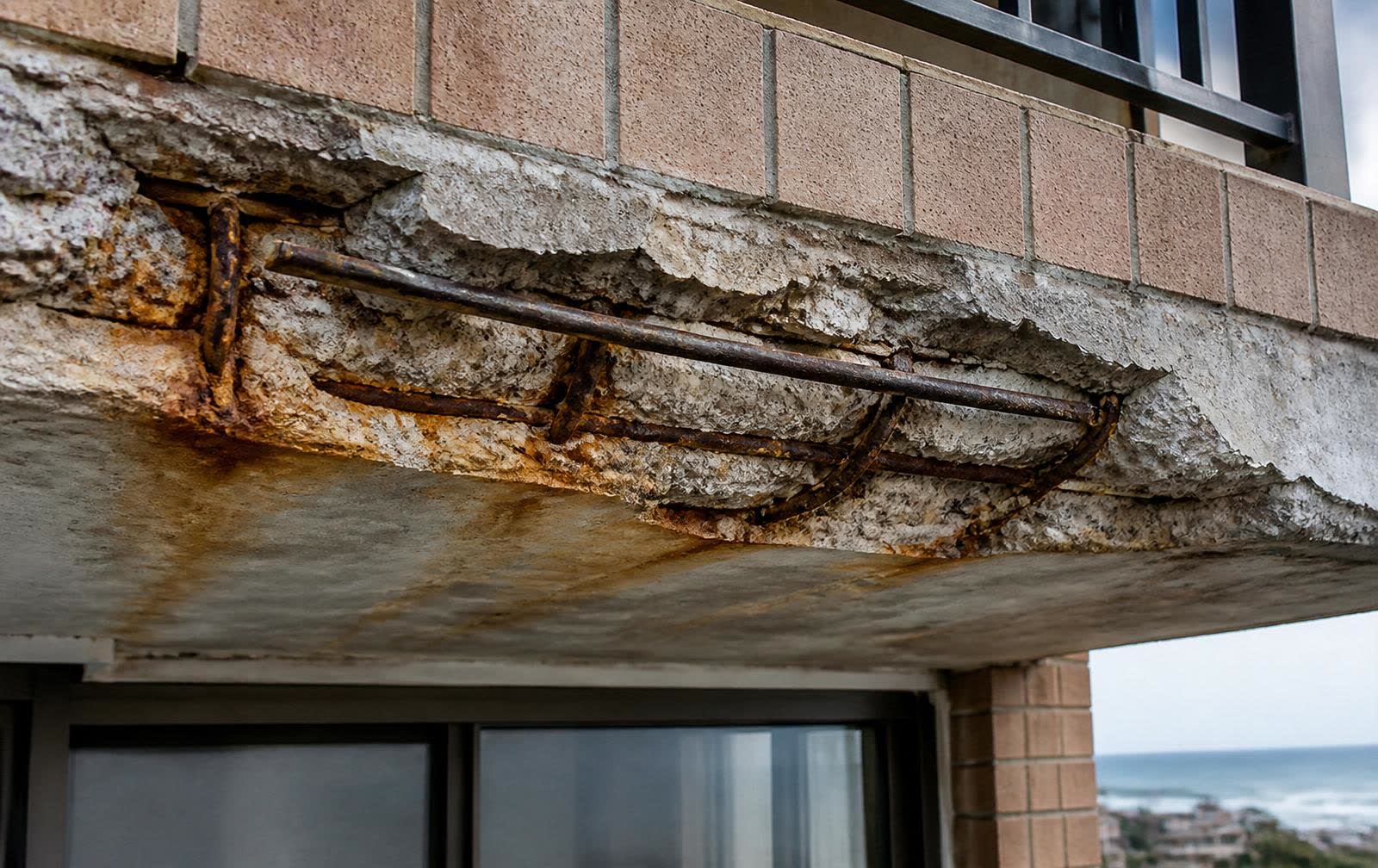
- Cracking: As buildings settle, cracks may appear, which can allow water intrusion and lead to further structural compromises.
- Water Intrusion: Faulty drainage systems or deteriorated seals can permit water damage, necessitating prompt repairs.
- Aesthetic Damage: Weather and environmental factors can lead to soiling or peeling paint requiring cosmetic touch-ups.
Proactive inspections and timely minor repairs reduce the likelihood of major, more costly interventions. Typical remedial techniques include crack stitching or injection grouts for structural cracks, replacement of sealants and flashings to stop leaks, and selective replacement of failing cladding panels. A combination of corrective and preventive measures is often the most cost-effective long-term solution.
Maintenance Costs
Planned maintenance extends facade service life and preserves appearance. Neglecting minor defects typically leads to larger, costlier repairs. Key maintenance cost elements include:
- Routine Inspections: Scheduling regular assessments identifies potential problems early, often resulting in lower repair costs.
- Minor Repairs: Addressing small issues before they escalate maintains the facade's integrity and is generally less costly than full restorations.
- Long-term Budgeting: Property owners should establish a maintenance budget to cover regular inspections and smaller repairs.
For practical budgeting, owners often adopt a tiered plan: visual checks every six months, a formal condition assessment every two to five years, and targeted minor works as issues are identified. An emergency reserve equal to a percentage of the building's value or a fixed annual amount can reduce financial strain when urgent remediation is necessary.
What Are the Key Factors Affecting Facade Repair Costs in South Coast?
Key factors that influence South Coast facade repair costs include material grades, local labour rates, and geographic considerations specific to the region.
- Material Grades: Different grades of materials offer varying benefits and durability, influencing initial costs and long-term maintenance.
- Labour Rates: With a limited pool of skilled labour in the region, prices may vary based on demand and availability.
- Geographic Considerations: Certain areas within the South Coast may have specific challenges related to weather or building codes that influence repair methods and pricing.
Site-specific factors such as exposure to salt spray, prevailing winds, and microclimates should inform material selection and protective detailing. Contractors familiar with the South Coast environment can propose targeted specifications that reduce the frequency of repeat works.
How Do Material and Labour Costs Influence Pricing?
Material selection and labour rates directly determine the final repair quote. Choosing premium materials increases initial expenditure but can lower lifecycle costs; complex repairs requiring specialist trades increase labour costs.
- Material Choice: Costs vary significantly between commonplace and premium materials. Property owners should weigh initial investment against expected durability.
- Labour Influence: Labour charges are affected by complexity and the professionals' experience level. Specialists often charge higher fees but provide superior workmanship.
When reviewing quotes, check whether rates assume standard scaffolding or include more expensive rope or mechanical access. Also confirm the warranty period attached to both labour and materials; longer warranties typically reflect higher quality workmanship or materials and provide a clearer view of lifecycle costs.
What Role Do Local Regulations and Permits Play in Repair Pricing?
Local regulations affect pricing through permit fees, mandatory inspections, and compliance work that can extend timelines and increase costs.
- Project Timeliness: Adherence to local codes can slow down timelines as inspections and approvals need to fit within regulatory frameworks.
- Compliance Costs: Obtaining necessary permits incurs additional fees which should be factored into overall project estimates.
Permit processing times and any required certified inspections can influence not only direct fees but also on-site costs where works pause for inspection. Early contact with local authorities during planning can reduce delays and clarify which works require formal approvals.
How Are Residential and Commercial Facade Repairs Priced Differently?
Residential and commercial repairs follow different pricing structures driven by scale, access requirements, and complexity of works.
- Scalability: Commercial projects tend to be larger and require more resources than residential projects.
- Access Challenges: Commercial buildings may face unique access challenges that necessitate specialised equipment, increasing labour costs.
- Typical Ranges: Residential repair costs may range from a few thousand dollars onward, while commercial projects often start significantly higher due to complexity.
Commercial projects often require detailed traffic management plans, extended work hours, and coordination with building managers and tenants; these logistical elements attract additional costs. Residential works may be simpler to schedule but can still incur premium rates for difficult access or specialist restoration of heritage fabric.
Typical Cost Estimates for Residential Facade Restoration
Residential facade restoration typically ranges from a few thousand dollars for minor repairs to tens of thousands for extensive structural or aesthetic works. Costs depend on the type of repair and the extent of damage.
- Type of Repairs: Minor fixes such as painting or sealing can be done for lower prices, while structural repairs can ramp up costs significantly.
- Extent of Damage: The level of deterioration greatly impacts the necessary repair approaches and associated costs.
Examples of residential scenarios include targeted repainting, localised crack repair with sealant and repaint, or replacement of a limited number of cladding panels. Each scenario will have different access and protection requirements which should be reflected in the quote.
Factors Affecting Commercial Facade Maintenance Pricing
Commercial maintenance pricing is influenced by building size, the materials specified, and regulatory compliance requirements.
- Building Size: Larger buildings require more materials and time for maintenance, inherently raising costs.
- Material Variations: Materials used can differ vastly between commercial projects, impacting maintenance needs and costs.
- Regulatory Impacts: Compliance with local laws can bring additional expenses that should be anticipated when budgeting.
Commercial maintenance often involves staged works so the building remains operational. Contractors commonly propose phased programs that focus on priority areas first and schedule follow-up works to minimise disruption and spread cost across multiple budget cycles.
Why Is Strata Facade Repair Pricing Specialised in the South Coast Region?
Strata facade repairs on the South Coast attract specialised pricing due to local environmental exposure and regulatory requirements that affect repair methods and longevity.
- Environmental Challenges: The South Coast's specific weather conditions can cause unique wear and tear on facades, necessitating specialised approaches.
- Regulatory Compliance: Strata buildings often face stricter compliance requirements, influencing repair methodologies and costing.
- Expertise Requirements: Specialised knowledge is invaluable for successful and compliant facade maintenance, impacting overall pricing.
Strata projects commonly require coordination across committees, insurance providers and owners. Time spent on administration, tendering, and producing strata-specific reports and minutes is a necessary part of the process and will be reflected in professional fees and contract schedules.
How Can Property Owners and Strata Managers Obtain Accurate Facade Repair Quotes?
Accurate facade repair quotes require a structured approach that documents building condition and project requirements.
- Conduct Assessments: Initial inspections should be thorough to identify all needed repairs comprehensively.
- Compare Proposals: When receiving quotes, ensure they detail all aspects of the project, from materials to labour costs.
- Specific Information: Providing contractors with specific insights about the building and previous repairs allows for more accurate pricing.
Expand those steps into an actionable process: obtain a written condition report with photographs; request itemised proposals that separate provisional items; check exclusions such as temporary works or rectification of unforeseen defects; and confirm the proposed program so you understand the timing and any potential extension costs. Where possible, seek multiple independent quotes and ask for references for similar local projects.
When comparing proposals, prepare a simple checklist showing key inclusions. access method, warranty length, material specifications, testing or certification, and any provisional sums. so you can evaluate bids consistently rather than on headline price alone.
Frequently Asked Questions
What preventative measures can be taken to reduce facade repair costs?
Implement scheduled inspections and address minor defects promptly. Maintain effective drainage and cleaning systems to prevent water ingress. Selecting durable, high-quality materials during repairs reduces repair frequency and lifecycle costs. Document maintenance activities so future contractors understand previous work and warranty claims are easier to support.
How long do facade repairs typically take?
Project duration depends on size, damage extent, and material complexity. Minor works such as painting or caulking may take days; major restorations can extend over weeks or months. Weather and required compliance inspections also affect timelines. Allow time for scaffold erection and dismantling, access licencing and required curing or drying periods.
Are there any financing options available for facade repairs?
Contractors and service providers commonly offer financing solutions, including payment plans, promotional finance, or lender partnerships. Some local programs or grants may be available for historically significant properties. Review the full cost including interest or fees and compare this to the urgency of works.
What happens if repairs are neglected?
Neglect accelerates deterioration, risks structural integrity, and increases future repair costs. Ongoing neglect also damages aesthetics and can reduce property value. Neglect can also affect insurability; some insurers may limit cover where maintenance has been deferred.
How can I verify a contractor's credentials for facade repairs?
Verify relevant licences and insurance to ensure coverage and compliance. Review ratings on trusted platforms and consult trade organisations. Request references from previous clients and, where possible, inspect recent completed works. Confirm that subcontractors are qualified and covered by the contractor's insurance and request copies of warranties and guarantees in writing.
Are there eco-friendly material options for facade repairs?
Yes. Options include recycled or reclaimed materials, natural stone, and low-VOC paints to reduce emissions. Consider repair methods that minimise waste and reuse existing fabric where safe to do so. Discuss sustainability objectives with contractors early so eco-friendly alternatives can be priced and evaluated alongside conventional options.
What should I include in my maintenance budget for facade repairs?
Include costs for routine inspections, anticipated minor repairs, and an emergency reserve for unexpected issues. Account for seasonal effects and allocate funds for durability upgrades such as improved drainage or weatherproofing. A practical budget line might categorise works into annual, periodic (2,5 years) and major renewal pools so funds can be staged and planned.
Conclusion
Investing in facade repairs preserves property value and occupant safety. By understanding labour, material, and scope costs, property owners can make cost-effective decisions. Schedule regular assessments and consult qualified professionals to secure optimal outcomes. Explore expert facade maintenance services to keep your building in optimal condition today.
Need a facade assessment or quote across Wollongong, the South Coast, Shoalhaven or Southern Highlands? Call South Coast Remedial on +61 468 071 088 for expert guidance.
Talk to a Remedial Building Expert
Free, no-obligation assessment across Wollongong, the South Coast, Shoalhaven & Southern Highlands.
Call: +61 468 071 088